TXT@v=spf1 include:_spf.your-email-provider.com ~allSPF: which servers may send for your domain
TXTselector._domainkeyv=DKIM1; k=rsa; p=MIIBIjANBgkqh…DKIM: a signature that proves the email is untouched
TXT_dmarcv=DMARC1; p=none; rua=mailto:dmarc@yourdomain.comDMARC: what to do with mail that fails, plus reports
Example values. Your email provider gives you the exact SPF include and DKIM key to paste in.
Google requires every sender to Gmail to set up SPF or DKIM and keep spam rates below 0.3%. Anyone sending 5,000 or more emails a day to Gmail also needs SPF and DKIM, DMARC and one-click unsubscribe for marketing mail (Google). Set up all three even if you send less: it costs nothing.
Step 2: ramp up slowly
A new domain has no reputation, and hundreds of cold emails from it on day one look exactly like spam.
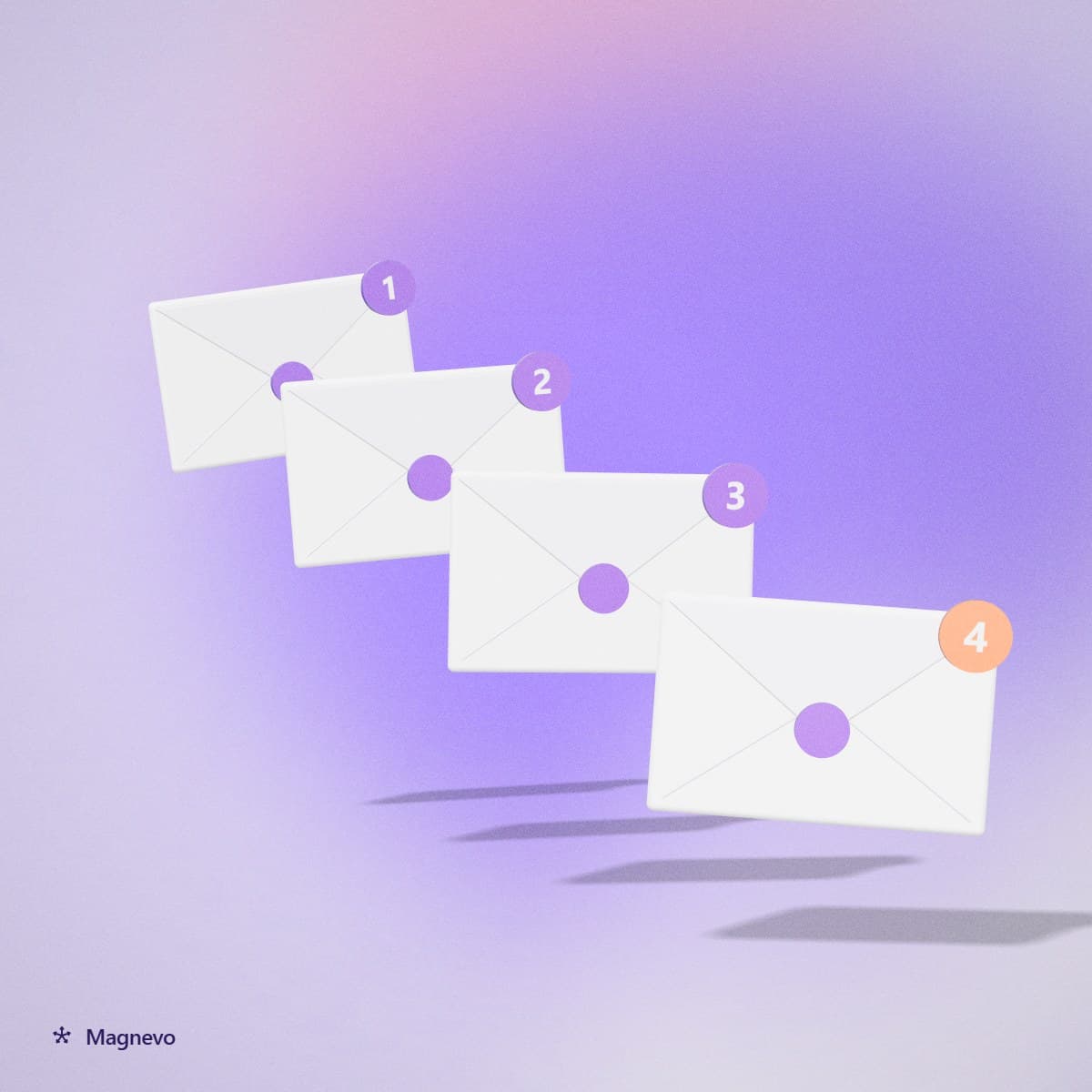
A cautious warm-upEmails a day, per inbox
Week 110–20
Week 220–40
Week 340–60
Week 4 onHold where bounces and complaints stay lowhold
A common, conservative pattern rather than an official rule. Watch your own bounce and complaint rates.
In the first week, send real emails that get replies: customers, partners, colleagues.
Step 3: protect it
Verify addressesBounces hurt reputation fast. Check addresses before you send.
Keep complaints lowGoogle suggests staying under 0.1% and never reaching 0.3%.
Use a separate domainA close variant of your main domain keeps your customer inbox safe if something goes wrong.
Watch the numbersGoogle Postmaster Tools shows your spam rate and reputation.
FAQ
How long does it take to warm up an email domain?
Usually two to four weeks of gradually rising volume before sending cold email at your normal pace.
Do I need DMARC for cold email?
Google requires DMARC for senders of 5,000 or more emails a day to Gmail. Set it up anyway: it's free and helps everywhere.
Should I send cold email from my main domain?
Many teams use a separate, similar domain for cold outreach so a reputation problem never touches the inbox their customers use.